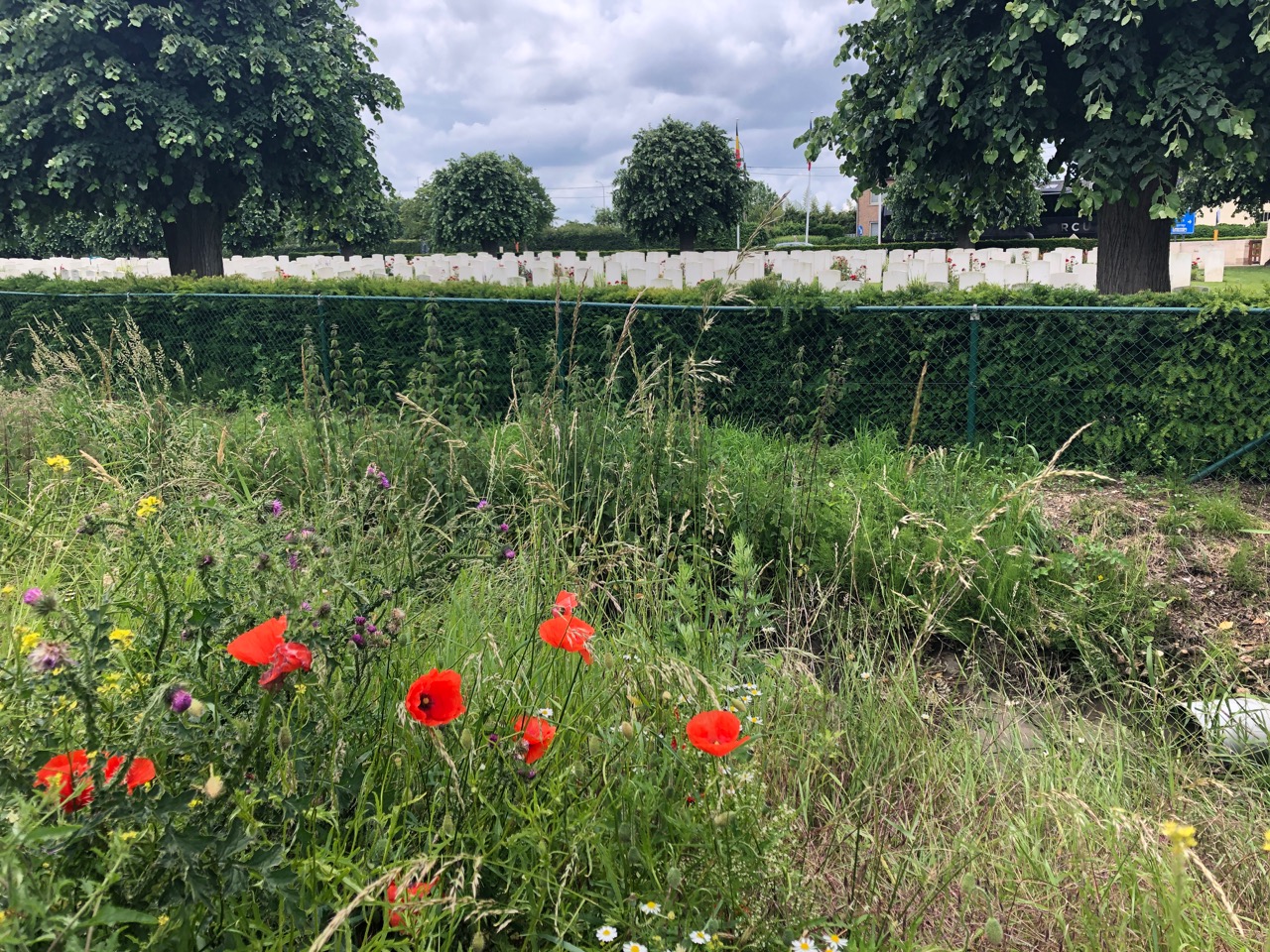
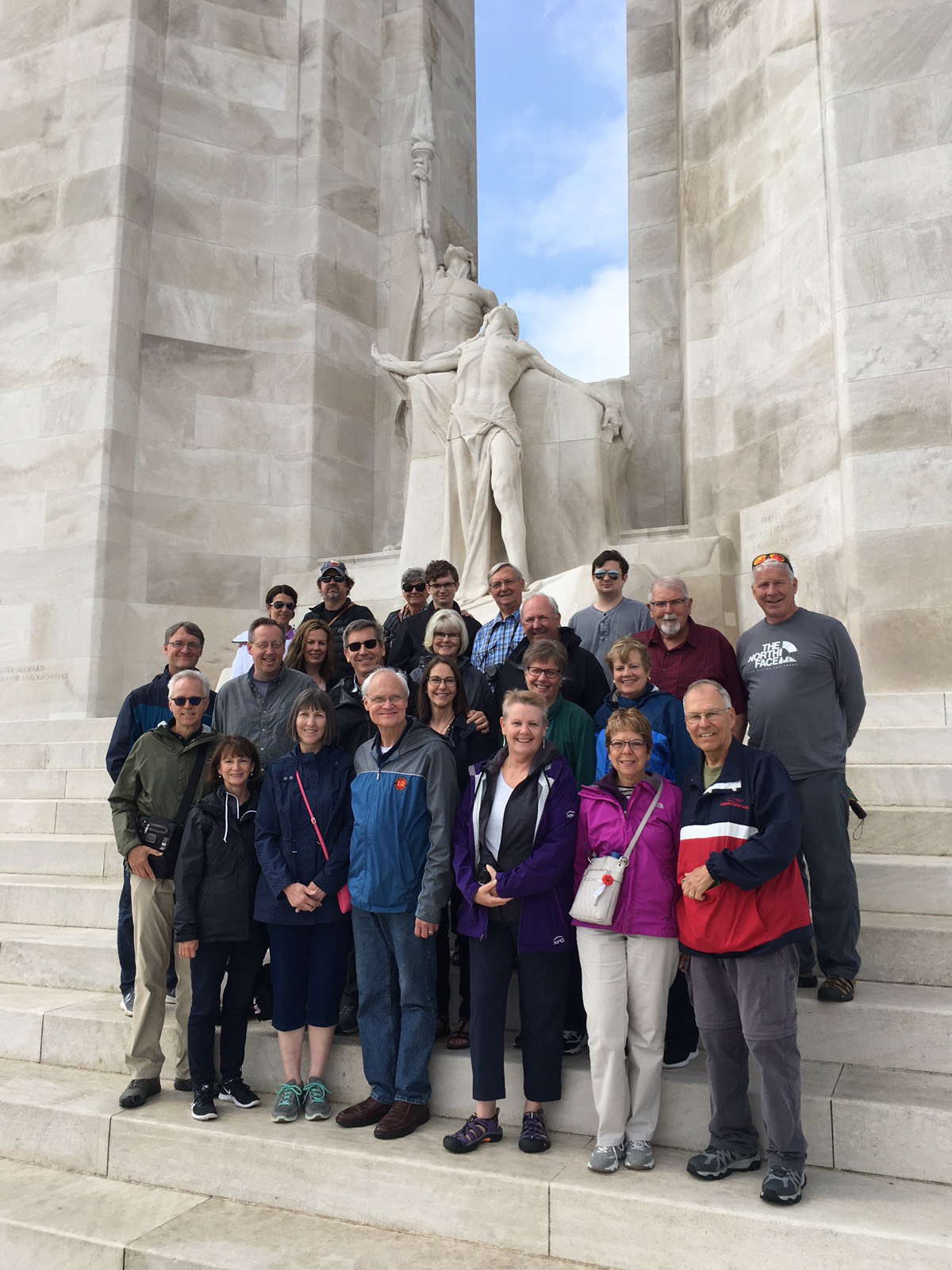
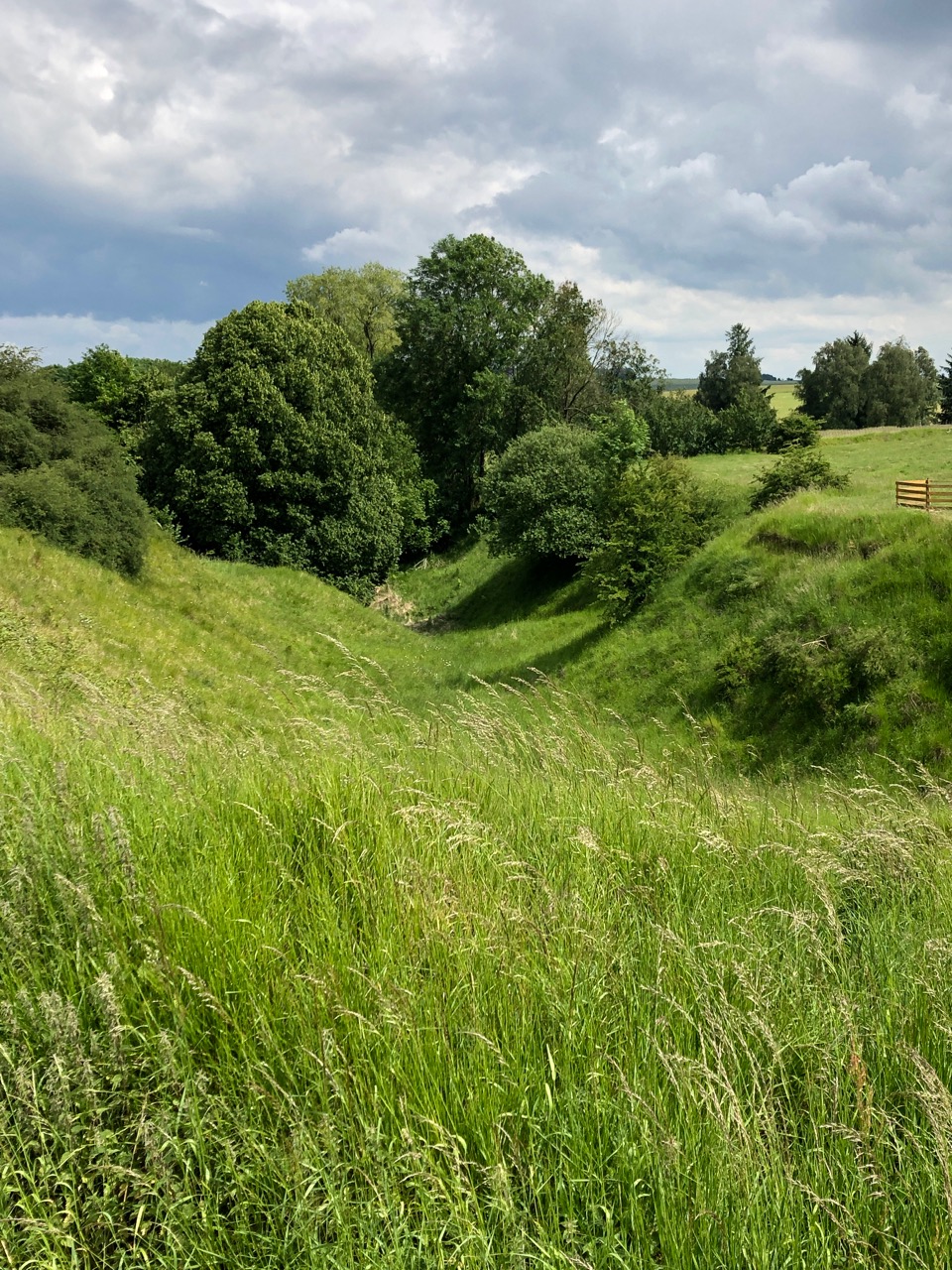
If you love travel and history but want something more than tourism, consider joining us on our next Pietist Schoolman Tour.
Historians often say that the past is like a foreign country. Even if you were to study an older version of your hometown, you would notice important differences in how people think, feel, and act. But that’s all the more true when we travel mentally across time and physically across space.
In a classroom, teachers and professors can try to help students imagine what it was like to live through the religious upheavals of the Reformation or the mechanized combat of World War II. But what if you did that in Martin Luther’s church or on Omaha Beach? What if you could listen to the words of eyewitnesses describe those events as you see, hear, touch, and even smell the scene for yourself?
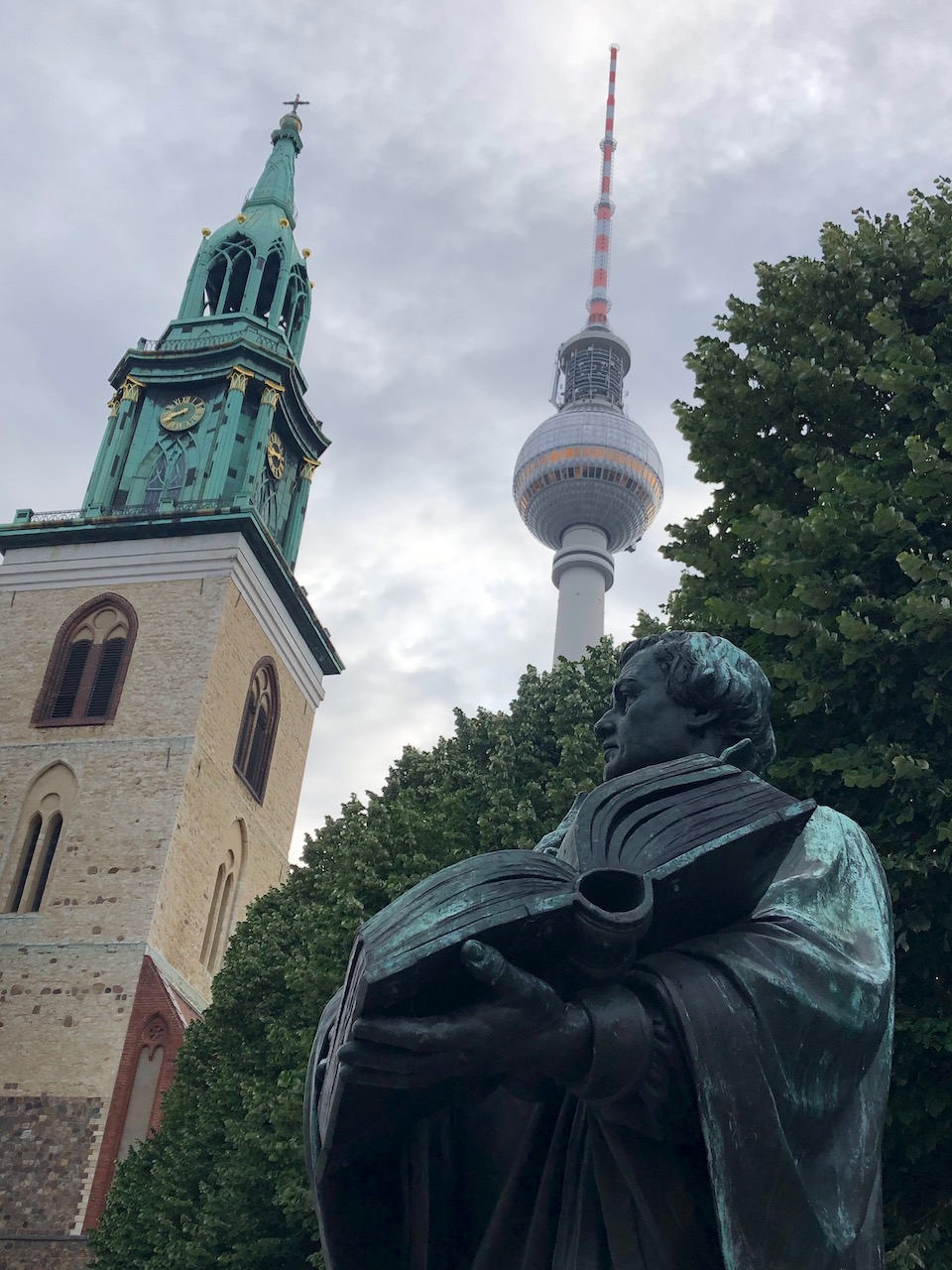
We believe that historical travel can be not only enjoyable but educational, not just informative but transformative — intellectually, emotionally, and spiritually.
Learn more about our travel philosophy and our guides.
I just got back from leading back-to-back tours and am taking some time off from European travel. But I expect to announce our next tour by the summer of 2027. If you’d like to get updates, follow me on Substack or contact me to get on our email list.
Recent Tours
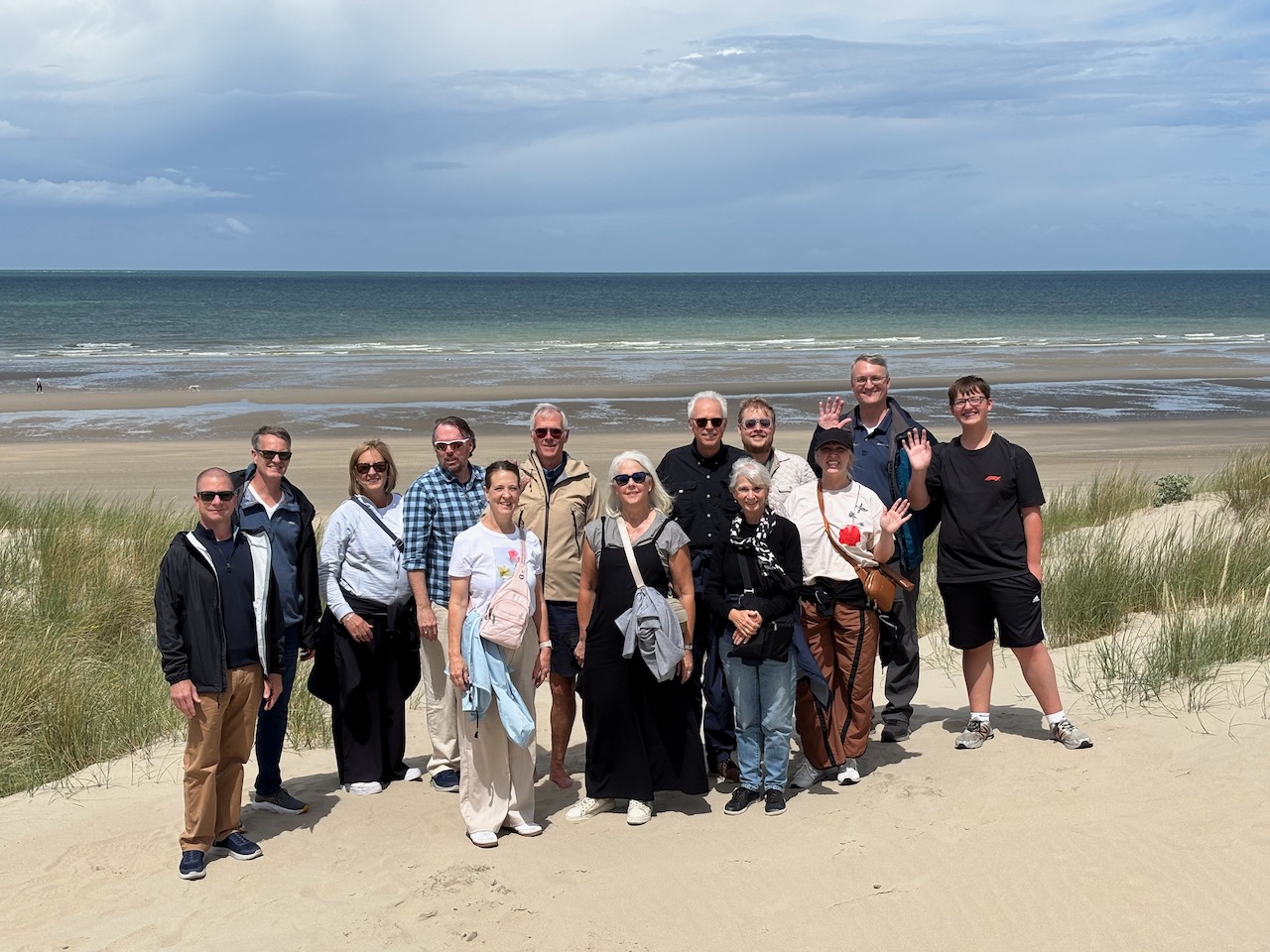
World War II in Western Europe (2026)
This ten-day trip through the history of World War II focused on how that global conflict affected western Europe. From the streets of London, Paris, and Munich to the battlefields of Dunkirk and Normandy, we took a transformative trip back in time, to a past that continues to captivate and convict people to this day.
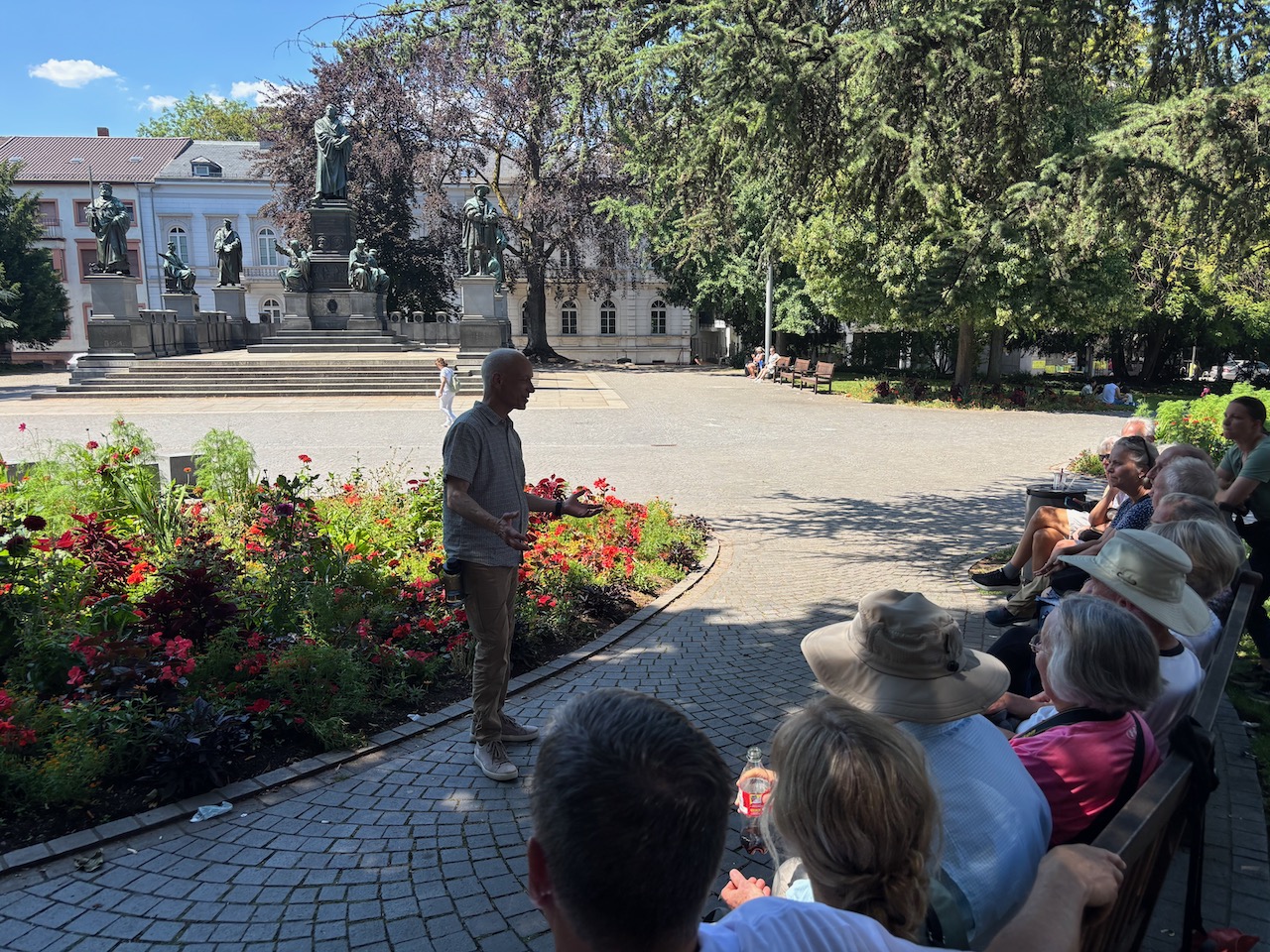
The German Reformation: Histories & Legacies (2026)
After the WWII tour wrapped up in Munich, I went to Frankfurt to start a second, week-long tour of sites related to Germany’s experience of the Reformation — and its continuing impact on our world. In cities and towns like Mainz, Eisenach, Erfurt, and Wittenberg, we learned about the religious culture of the Late Middle Ages, what led Martin Luther to start the Protestant Reformation, and the social and political unrest that it unleashed. We closed with two days in Berlin, where we considered what the Reformation had to do with modern phenomena like nationalism and Nazism, socialism, and secularization. Not just a virtual trip back in time, this tour was also a spiritual pilgrimage, giving Protestants and non-Protestants alike a chance to think deeply about the roots of their beliefs and traditions.
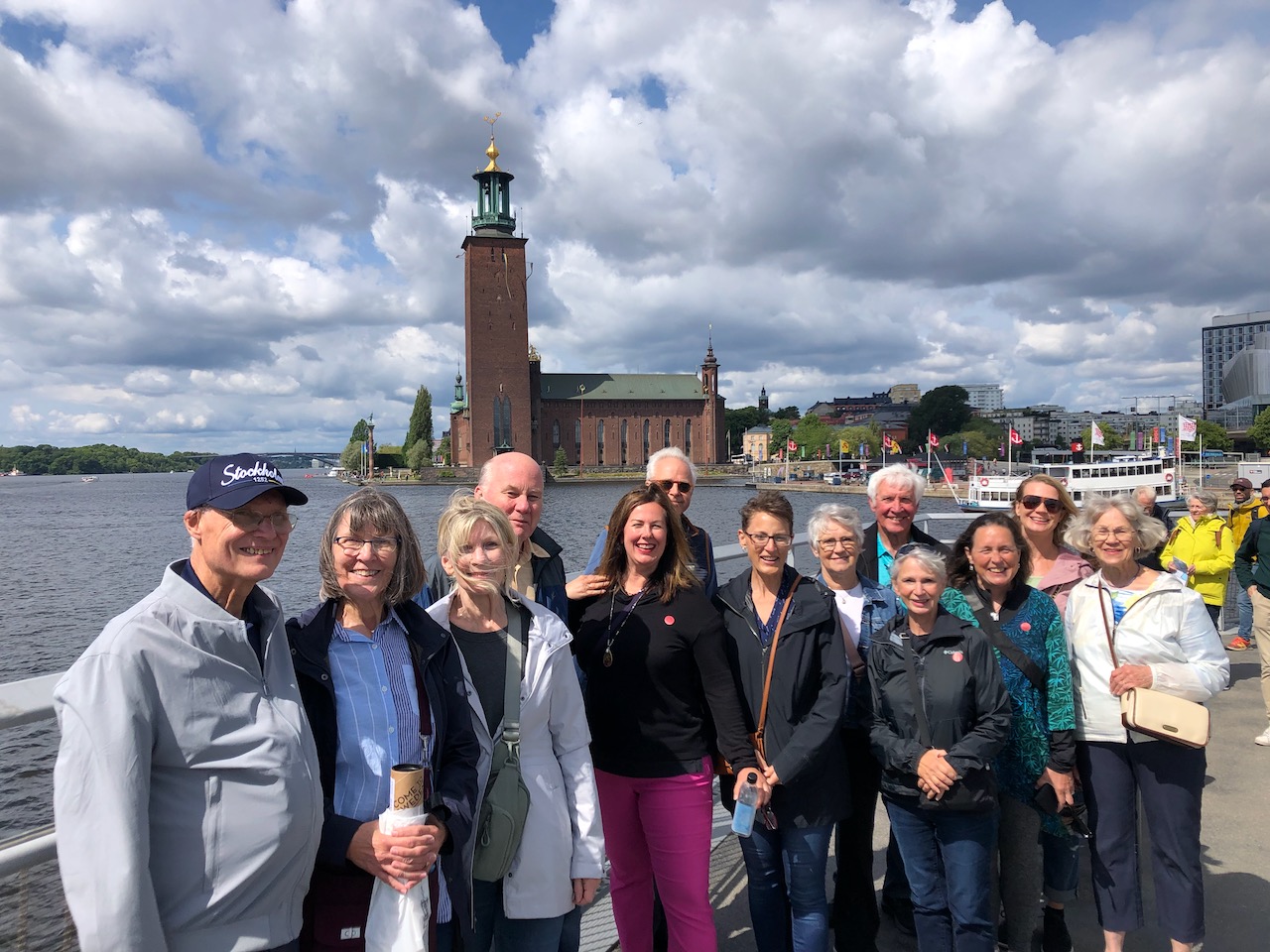
Scandinavia: Past and Present (2024)
This nine-day tour of Norway, Sweden, and Denmark, explored a ruggedly beautiful part of Europe with a fascinating history. In the capital cities of Oslo, Stockholm, and Copenhagen and visiting small towns in between them, we learned about a region of contradictions: a land of fierce warriors and courageous peacemakers, ancient traditions and progressive attitudes, religious devotion and widespread secularization. In particular, we contrasted the heritage held by millions of Americans descended from impoverished emigrants with the more recent history of a highly affluent part of Europe that has attracted its own waves of diverse immigrants.
The World Wars in Western Europe (2019)
Our inaugural tour took people ages 17 to 72 to Western Europe to explore the history of the two world wars. We started with three days in London and ended with three days in Paris and Munich, but the heart of the trip was a four-day guided tour of battlefields in Flanders, the Somme, and Normandy.