No Links This Morning

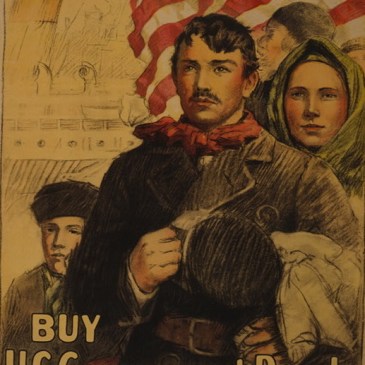
7/5/14 – I’ll be traveling again this weekend, so we’ll take a week off from our usual Saturday links post. But if you don’t quite know what to do with the extra time, I’d strongly recommended you check out my summer blogging project, Bethel at War, 1914-2014, where this past week I wrote about everything from nativism … More No Links This Morning
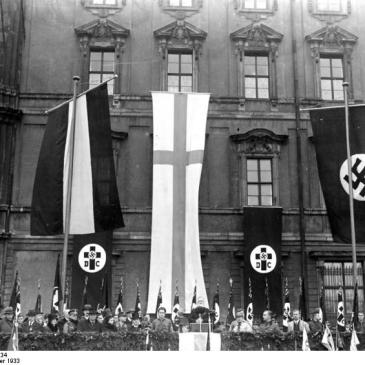
Happy Loyalty Day

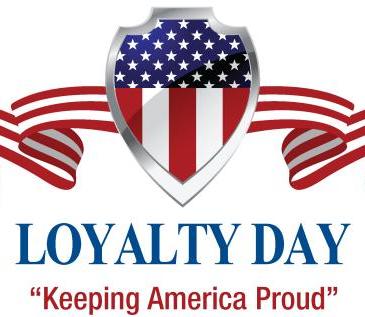
Earlier today I walked into my office and found a lovely little gift basket of chocolates, courtesy of our department’s wonderful undergraduate teaching assistants. “Happy May Day!” read the card. Of course, given the way that May Day is celebrated in most of the world, this should prompt me not only to endorphin- and Toblerone-fueled good … More Happy Loyalty Day

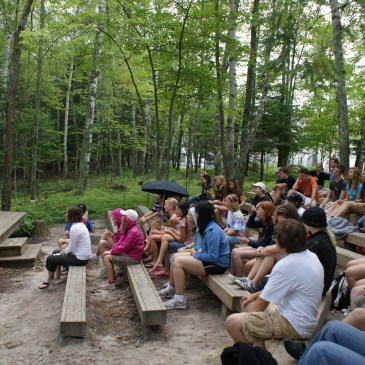
The French Are Coming! Language Immersion as Soft Power

After nearly three years of blogging, you’d think that I’d have exhausted my ability to reveal semi-embarrassing details of my life. But I’m not sure I’ve yet mentioned that, in the summers after 3rd and 4th grades, I spent a week at French camp. It was called Lac du Bois. I lived in a cabin … More The French Are Coming! Language Immersion as Soft Power

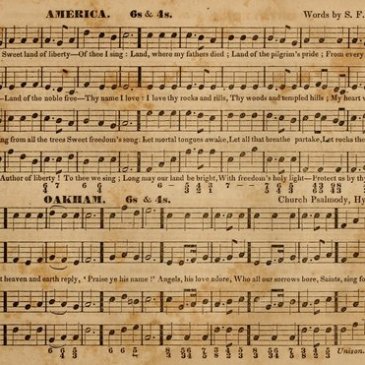
Best of The Pietist Schoolman: A Brief History of Patriotism in American Hymnals

Now that we’re into the academic year and I’m both busier and readership is up, I thought I’d ease into the week by reposting a couple of pieces that you might have missed during the warmer months. I’ll start with a three-part series from July. Which patriotic hymns are most popular? Have they changed over … More Best of The Pietist Schoolman: A Brief History of Patriotism in American Hymnals

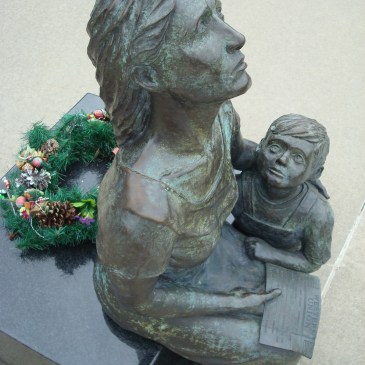
Commemorating WWII: Meaning, Power, and Worship

What do war and veterans memorials mean? What should we think or feel when we visit them? And who decides the answers to those questions? Not long after leaving Highway 61 (the famous road that follows the Mississippi River) and entering the southeastern Minnesota town of Wabasha, you’ll arrive at its small Veteran’s Memorial Park. … More Commemorating WWII: Meaning, Power, and Worship

“Of thee I sing”: A Brief History of Patriotism in American Hymnals (part 3)

By far the most popular American patriotic hymn is Samuel Francis Smith’s “America,” appearing in over 1600 of the hymnals indexed at Hymnary.org — nearly four times as many as Katharine Lee Bates’ “America the Beautiful” and Julia Ward Howe’s “Battle Hymn of the Republic,” five times more than Francis Scott Key’s “Star-Spangled Banner.” And … More “Of thee I sing”: A Brief History of Patriotism in American Hymnals (part 3)

“Of thee I sing”: A Brief History of Patriotism in American Hymnals (part 2)

I’m still researching an answer to last Monday‘s closing question: why is it that so many hymnals don’t include popular patriotic hymns? As a placeholder, though, I thought it might be fun to share a rare evening post spotlighting a few songs in this genre that just never found an audience. (Here again, relying on … More “Of thee I sing”: A Brief History of Patriotism in American Hymnals (part 2)

“Of thee I sing”: A Brief History of Patriotism in American Hymnals (part 1)

Which patriotic hymns are most popular? Have they changed over time? Researching an Independence Day post in which I didn’t exactly gush with enthusiasm at the inclusion of patriotic songs in American hymnals, I discovered Hymnary.org, “a comprehensive index of hymns and hymnals” supported by the Hymn Society, Calvin College’s Institute of Christian Worship, and … More “Of thee I sing”: A Brief History of Patriotism in American Hymnals (part 1)

How to Be German

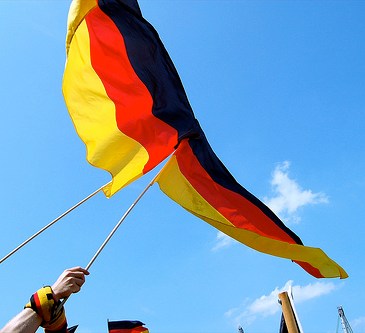
I’m not sure if it’s my little-celebrated German ancestry, my occasional studies of that nation’s history, or that I’ll be spending five days there in January with my World War I students, but Adam Fletcher’s two-part post, “How to be a German in 20 easy steps,” made me laugh as much as anything I’ve seen … More How to Be German