10 Blogs by Christian Historians You Should Be Reading

I’ve complained a couple of times that Christian Piatt’s recent (very popular) exercise in identifying “25 Christian Blogs You Should Be Reading” gave short shrift (both in the readers’ and editor’s versions) to academics — in particular, my fellow historians. To a significant extent, this is the fault of our guild; I’m afraid that Sam … More 10 Blogs by Christian Historians You Should Be Reading
The Pietist Schoolman Goes to Baltimore

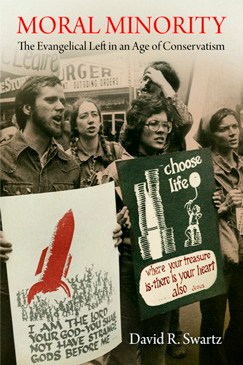
Over at The Anxious Bench, Miles Mullin concluded a post on the history of progressive evangelicalism with an announcement that involves yours truly: …fellow Anxious Bench blogger, David Swartz, has penned Moral Minority: The Evangelical Left in an Age in Conservatism (2012), the best work on the topic to date.  If you find yourself interested … More The Pietist Schoolman Goes to Baltimore

Commemorating WWII: The Memorial as a Work of Public History

While taking notes earlier this month at the Soldiers Field Veterans Memorial in Rochester, MN, I couldn’t help but overhear the following from another (rather loud) visitor: Kids should come here and read all this stuff because they don’t teach [it] in school. Yes, and no. (Well, more like: yes, and NO!) Yes: there is … More Commemorating WWII: The Memorial as a Work of Public History

The Second World War Before Pearl Harbor: Poland, 1939

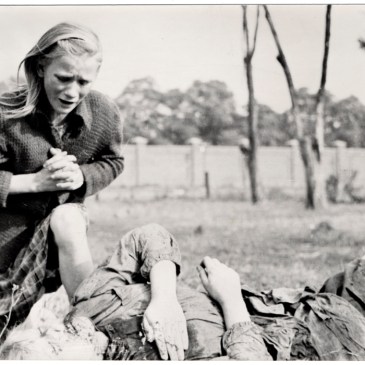
I started this series — introducing American readers to the Second World War as it was fought years before the United States joined the conflict — with Japan’s 1937 offensive against China. Let’s continue with an invasion that’s probably more familiar to most Americans and Europeans: Having already remilitarized the Rhineland (March 1936), absorbed Austria … More The Second World War Before Pearl Harbor: Poland, 1939

Commemorating WWII: Meaning, Power, and Worship

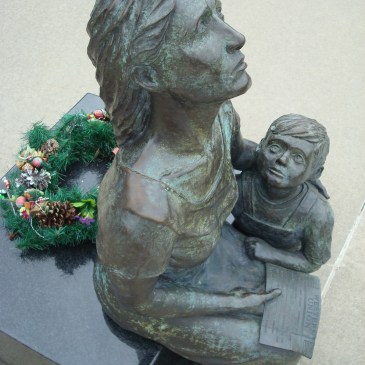
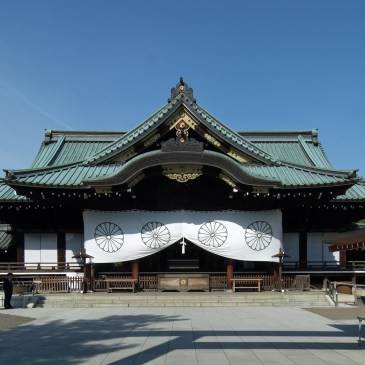
What do war and veterans memorials mean? What should we think or feel when we visit them? And who decides the answers to those questions? Not long after leaving Highway 61 (the famous road that follows the Mississippi River) and entering the southeastern Minnesota town of Wabasha, you’ll arrive at its small Veteran’s Memorial Park. … More Commemorating WWII: Meaning, Power, and Worship

What Are the “Turning Points” in American Church History?

Yesterday Elesha Coffman proposed a fun historical exercise over at the Religion in American History blog: develop an American equivalent to Mark Noll’s list of fourteen Turning Points in church history. It’s not as easy as it might seem. For example, she argued that American church history is both too big and too small to … More What Are the “Turning Points” in American Church History?

When Did the Events of 1861-1865 Become “The Civil War”?

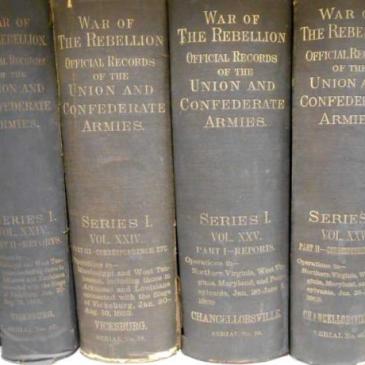
Over the weekend the always-interesting blog Disunion (hosted by the New York Times website) posted “The Name of War,” in which Georgetown University history professors Chandra Manning and Andrew Rothman tracked the evolving answer to a seemingly obvious question: What did Americans call the war fought between the Confederacy and Union from 1861 to 1865? … More When Did the Events of 1861-1865 Become “The Civil War”?

The Second World War Before Pearl Harbor: China, 1937

On my recent vacation spent driving from small Minnesota town to slightly smaller Minnesota town looking at war and veterans memorials, I listened to The War, Geoffrey Ward’s book based on Ken Burns’ PBS miniseries of the same title. I’d picked it simply because it was one of the few WWII histories available as a … More The Second World War Before Pearl Harbor: China, 1937