What Historians Do

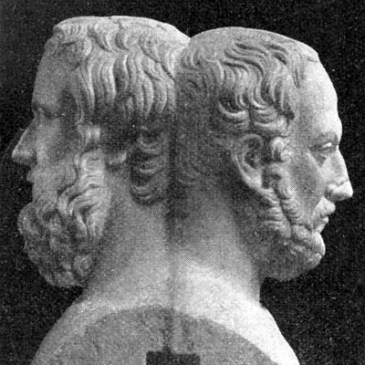
One of my favorite things about spring semester is that I get to teach a section of our department’s capstone course, HIS499 Senior Seminar. It’s fun in part because it’s so unlike anything else I teach — as close to a graduate seminar as I’m going to (or would like to) get as a professor … More What Historians Do

February 30, 1712

As I’ve blogged about previously, making the switch from the Julian to the Gregorian calendar necessitated some odd choices throughout Europe, but none odder than what my ancestral people — generally noted for their commitment to reason and common sense — tried to pull off early in the 18th century. I’ll let a physicist explain: … More February 30, 1712

Oscar Shout-Outs

I’m still a bit punchy after enduring the entire Oscar ceremony, but as best I can tell, two of my non-predictive Oscar predictions actually came true: Bret McKenzie picked up Best Song for “Man or Muppet” (The Muppet Movie), and Alexander Payne, Nat Faxon, and Jim “Hey, it’s the dean on Community” Rash won Best … More Oscar Shout-Outs

Apolitical Churches

I was struck at the end of last week by a pair of quite different articles that shared two themes: church growth and decline, and conclusions relating those trends to how political or apolitical a church is. First, historian Thomas Kidd’s Patheos column on “The Rise and Fall of American Methodism.” Kidd begins by recapping … More Apolitical Churches

An Imposition

It’s amazing sometimes that anyone can learn English. Look up the word “imposition” in Webster’s, for example, and you’ll find four listings: something imposed: as (a) a levy, tax, or (b) an excessive or uncalled-for requirement or burden the act of imposing deception the order or arrangement of imposed pages What then to make of … More An Imposition